Thursday, 6 March 2014

Production Role Research


As a theatre sound technician, you're responsible for all aspects of sound during a show.
This could include:
  • controlling sound levels – can the audience hear everything well, from every part of the theatre? 
  • looking after sound effects and their cues, and working out the best ways to produce effects
  • researching and getting hold of effects and music, and transferring these onto a format for playback (usually digital, but the tracks are still referred to as sound ‘tapes’)
  • ensuring music sounds right
  • mapping out all the cues for different sounds so that they match the action taking place on stage, and preparing the show's 'sound plans' which outline everything the show needs from a sound point of view
  • making sure the sound carries properly in every venue in which the production is staged
  • making sure music and effects mesh properly with dialogue
  • overseeing the technical sound requirements of a show, such as different types of microphone, loudspeakers and other equipment, and adding these to the sound plans 
You would work closely with other members of the production team, like the director and stage manager. In some cases, you might also design the sound for productions. The line between the roles of sound designer and technician can often be blurred.
Strong computer and IT skills are useful, as is an understanding of how acoustics work.
What the job is like can vary enormously, depending on the requirements of each production, company, and venue.
You might work for yourself, and take on shows as they come up, or you might work for a particular venue or touring theatre company. 
You may be supported by a sound operator, who is responsible only for operating the sound desk during the show. You might start out in a role like this, and then progress to sound management. 

How do I get into working with sound?

Strong computer and IT skills will be useful.  You should develop some understanding of how sound travels and how acoustics work. On a basic level, school science subjects will help with some of this. 
You will also find it useful to find out how PA systems, mixing desks, and other large pieces of sound equipment work. Look for opportunities to handle these, and is possible shadow sound staff at a venue. Starting out in backstage crewing may help you to build some experience.
Work placements are also a great way to learn on the job. Looking for theatres and companies with apprenticeships or work experience schemes is a good idea.
A college course can help you get a feel for the industry, and there are now many available in subjects such as:
  • audio engineering
  • sound design
  • sound technology
A BTEC national diploma in Production Arts may also be useful. 
There is also the option of supplementing your volunteering with short courses. Crew class offer one-day masterclasses in backstage crewing which includes some sound

Wednesday, 5 March 2014

Tuesday, 4 March 2014

Individual calendar of events


The calendars for the event are important as you can stick to a schedule of when things have to be done by. This will allow for better time management as well as organisation. This will have a less stressful effect on people if they stick to deadlines. I managed to stick to my deadlines, such as on Mon 20th Jan, I had to have confirmed how many people I would need and by Friday 24th, I had to have my final design done. I wanted my design to be done early because I knew leaving it until the last minute would cause problems.


Calendars were important because it clearly illustrated what I needed to do and when by. Without this I would have forgotten what needed doing and I would not have been on top of my work. Calendars are very important for effective time management.

Monday, 3 March 2014

Team Minutes


We wrote up team minutes to keep a record of what was said, to prevent confusion and miscommunication, we had regular meetings to keep on what was done. We had regular meetings to discuss any changes, or any deadlines that needed to be done.

Sunday, 2 March 2014

Tutor Observation

Here is a picture of my tutor observation for the production arts planning. This is a form thellingme what I have have done well and what I need to do to improve my grade further.

Thursday, 20 February 2014

Individual Job Role Media Evidence and Documentation

Here I am making notes on the sheet to keep us up to date and organised.


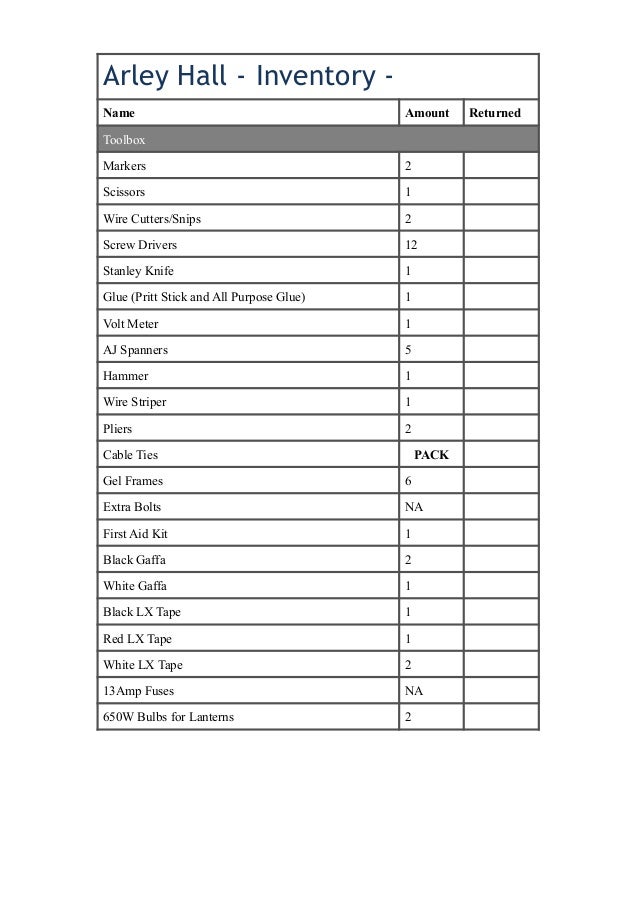
Above is my working document checklist for Arley Hall. A checklist was important because it made sure we had everything that we needed to take before the show and made sure we took home exactly the right things when it was time for the get out. It kept us organised and we could add to it if we needed to. 


this was the running order. it was important for me to know who was in each room because the correct music had to play for them. 

2nd copy of the running order ^.

Monday, 13 January 2014

Evidence of the Event and My Job Role


Here is a plan of Arley Hall which I used to help me get a better idea of what I was doing / it allowed me to be more accurate in my planning. We edited this and added where the technical area would be in both rooms. I was in charge of the drawing room. The technical area was where the equipment would be placed. I think it was good that we had put this in earlier because it ensured we knew what we were doing /where the desk would be put on the day to save time.

Above is a to do list for the technical team, set by our manager, Jordan. It includes what I will be doing at what points during the day, e.g. at the get in I will be helping to unload the van and splitting the equipment up into the 2 different rooms. I was glad I had this to stick to because it gave me clear directions and kept me on task to ensure everything got down in time.


This was the original copy of the timetable that was made. We had to make notes of what time we started the day and what time we would be doing the get in. This changed to fit the needs of everyone but it did work and we did stick to it well which shows that planning is important.


This is the set list for both nights. It shows the name of the piece and the music type with it. E.G. piano. I needed to know this as the sound /assistant technical manager because it was vital I knew how many pieces were in each act and in what order.


Above is the schedule I was given that I needed to follow for the setting up of the event. We used Qlab for the sound so I had to make sure this and the sound desk / power cables / equipment was working properly prior to the performance to lower the risk of something going wrong. I think it was good that we had the get in /get out on a different day to the actual event because it allowed us to take our time a little more and we were in no rush. I would definitely do this this way again as it worked well / better and was smoother than previous get ins that we have done in the past.

Below is my inventory list, which makes clear what equipment was needed and the number. We used this as we went along to ensure we had everything and ticked it off when we were doing the get out. This was important because it ensured nothing was left behind.